HOUSTON (AP) — The Artemis II astronauts are now forever intertwined with Apollo 8.
A day after the historic lunar flyaround, NASA on Tuesday released striking new photos taken by the U.S.-Canadian crew.
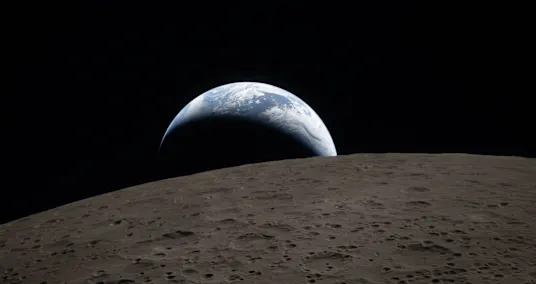
The four astronauts channeled Apollo 8’s famous Earthrise shot from 1968 with their own: Earthset, showing our planet setting behind the gray, pockmarked moon. Another photo captures the total solar eclipse that occurred when the moon blocked the sun from the crew’s perspective.
The three Americans and one Canadian are now headed home, with a splashdown in the Pacific set for Friday. In the meantime, scientists at Houston's Mission Control are poring over the stream of moon photos beaming down.
Apollo 8's three astronauts became the world's first lunar visitors, orbiting the moon on Christmas Eve 1968. Their Earthrise shot became a symbol of the modern-day environmental movement.
Artemis II marks NASA's first return to the moon with astronauts — a critical step toward a lunar landing by another crew in two years.
___
The Associated Press Health and Science Department receives support from the Howard Hughes Medical Institute’s Department of Science Education and the Robert Wood Johnson Foundation. The AP is solely responsible for all content.
latest_posts
- 1
 Find Unexpected, yet invaluable treasure Excursion Rentals
 - 2The 12 biggest space stories of 2025 — according to you
- 3Setbacks in Texas and elsewhere put Republicans' redistricting hopes in doubt as key deadlines loom
- 4Tech for Wellbeing: Applications and Devices for a Better You
- 5Vote In favor of Your Favored Pet Consideration Administration


- Elite Execution Gaming PCs for Gamers
- Baby takes 1st steps after receiving groundbreaking gene-edited therapy
- Smuggler who called migrants 'chickens' jailed
- How to get tickets for AC/DC's 2026 'Power Up' Tour
- From Iran to Israel: An Iranian volunteer’s unlikely stand in wartime
- Car Investigation: A Survey of \Past the Outside\ Car
- This widow influencer is using jokes to cope after her husband's death. It's OK if people don't get it.
- Where America’s CO2 emissions come from – what you need to know, in charts
- It Shouldn’t Be Here: Rescuers Race to Save Whale Stranded in Rare Spot